Beyond Subtitles: Asian Drama Nuances for US Viewers 2026
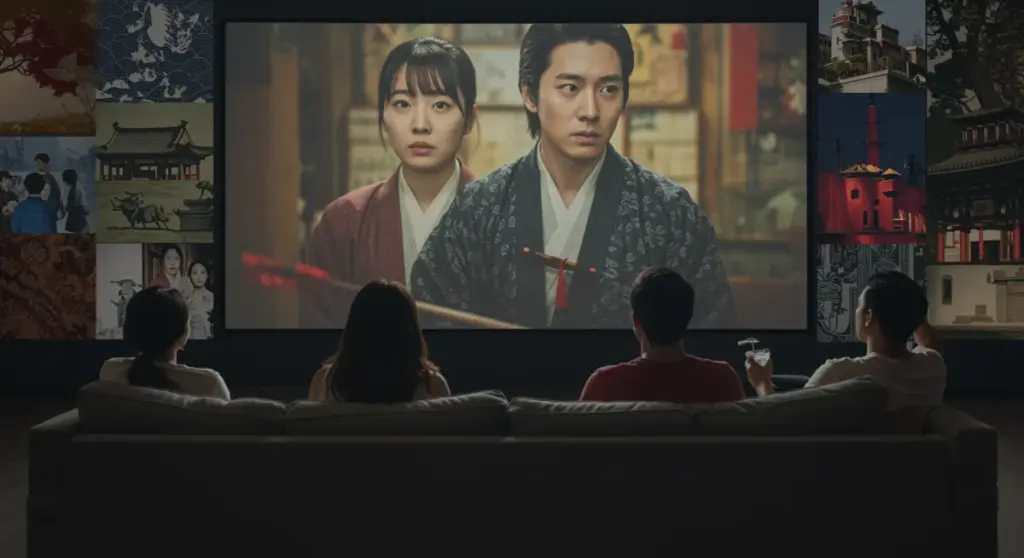
Understanding the intricate cultural nuances in hit Asian dramas is increasingly essential for US viewers in 2026, enriching their appreciation beyond mere subtitles and revealing deeper societal values and communication styles.
The global phenomenon of Asian dramas has captivated audiences worldwide, and by 2026, their impact on US viewers is undeniable. Yet, truly appreciating these narratives goes beyond simply reading the dialogue. To fully immerse ourselves in the rich storytelling, it’s crucial to understand the Asian drama cultural nuances that often remain unspoken, shaping character motivations, plot developments, and emotional resonance in profound ways. These subtle yet powerful elements offer a window into diverse societies, enriching our viewing experience and fostering a deeper cross-cultural understanding.
Understanding the Significance of ‘Face’ and Social Harmony
The concept of ‘face’ (mianzi in Chinese, chemyon in Korean, menboku in Japanese) is a cornerstone of East Asian cultures, profoundly influencing social interactions and individual behavior. For US viewers, who are often accustomed to more direct communication, grasping this nuance is vital to understanding many dramatic conflicts and resolutions within Asian dramas. It’s not just about reputation; it’s about maintaining dignity, respect, and social standing, both for oneself and for others.
Maintaining ‘face’ often involves a delicate balance of actions and words, where indirect communication and deference play significant roles. Characters might go to great lengths to avoid embarrassing someone publicly, even if it means sacrificing personal desires or truth. This deep-seated value impacts how characters express emotions, resolve conflicts, and navigate hierarchical relationships, from family elders to workplace superiors.
The Dynamics of Indirect Communication
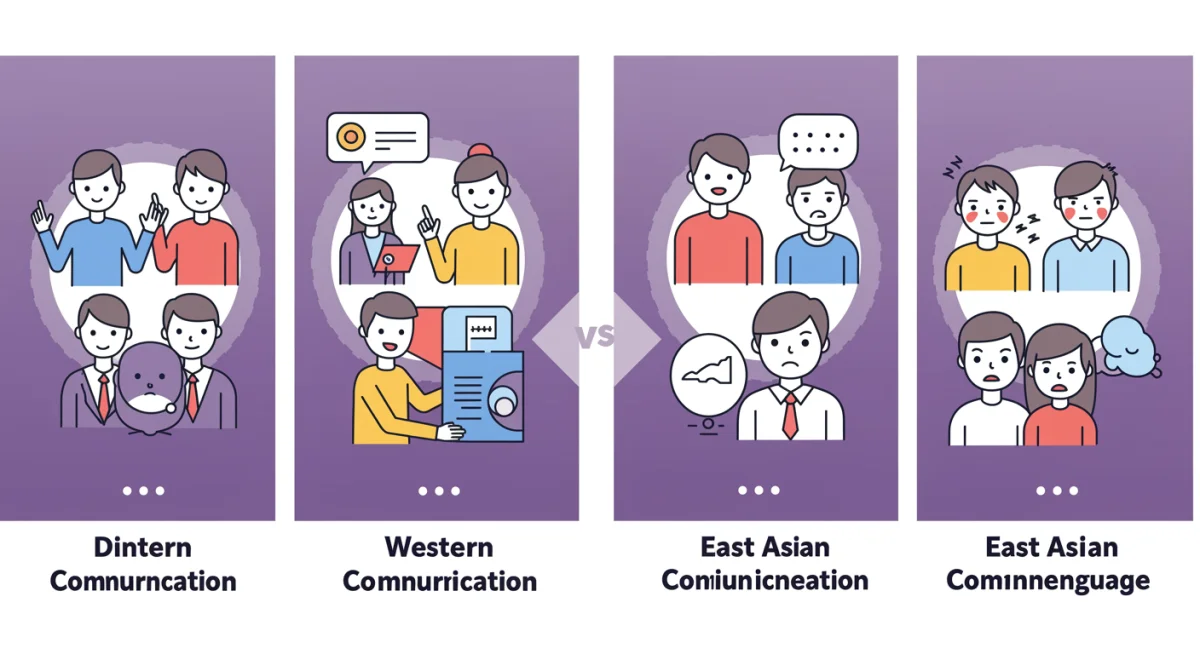
In many Asian societies, direct confrontation is often perceived as rude or aggressive, potentially causing loss of ‘face’ for all parties involved. Therefore, characters frequently communicate through subtle hints, body language, and implied meanings. A seemingly casual remark might carry significant weight, and a lack of explicit refusal doesn’t necessarily mean agreement. This indirectness can initially confuse Western audiences, who are used to more explicit declarations.
- Non-verbal cues: Pay close attention to gestures, eye contact (or lack thereof), and posture, which often convey more than spoken words.
- Contextual understanding: The meaning of a statement can heavily depend on the speaker’s relationship with the listener and the social setting.
- Reading between the lines: Characters often expect others to infer their true feelings or intentions rather than stating them directly.
This emphasis on indirect communication often creates dramatic tension as misunderstandings arise from unspoken expectations. Viewers learn to appreciate the complexity when a character’s true feelings are revealed through a silent tear or a hesitant glance rather than an impassioned speech.
The pursuit of social harmony is intricately linked to ‘face.’ Individuals are often expected to prioritize group cohesion over individual desires. This collectivist mindset means characters frequently make decisions based on what benefits their family, company, or community, even at personal cost. Such sacrifices are not always portrayed as tragic but often as honorable and necessary for maintaining societal balance. Understanding this collective responsibility helps explain character choices that might otherwise appear self-defeating to a Western audience.
In conclusion, recognizing the concept of ‘face’ and the pervasive drive for social harmony unlocks a deeper understanding of character motivations and relational dynamics in Asian dramas. It reveals a world where respect, dignity, and collective well-being are paramount, shaping every interaction and dramatic turn.
Filial Piety and Intergenerational Relationships
Filial piety, a core tenet of Confucianism, is another fundamental cultural nuance deeply embedded in Asian dramas. It dictates respect, obedience, and care for one’s parents and elders, extending to ancestors. For US viewers, this concept often highlights a stark contrast with Western individualistic values, where independence from parents is typically celebrated. In Asian dramas, the bonds between generations are paramount, influencing everything from career choices to romantic relationships.
The portrayal of filial piety often manifests in characters making significant personal sacrifices to honor their parents’ wishes, support their families, or uphold family legacies. This can involve giving up a dream job to take over a family business, entering into an arranged marriage, or dedicating their lives to caring for aging relatives. These decisions are not always presented as burdensome but often as a natural duty and a source of profound love and respect.
The Weight of Parental Expectations
Parental expectations in Asian dramas are often depicted as a heavy, yet respected, burden. Children are expected to strive for academic and professional success not just for themselves, but to bring honor to their family. Failure to meet these expectations can lead to intense feelings of guilt and shame, creating significant internal and external conflict for characters.
- Career paths: Many characters are pressured to pursue prestigious careers (e.g., doctor, lawyer, corporate executive) regardless of their personal interests.
- Marriage and family: Parents often have a strong say in their children’s romantic relationships, sometimes even arranging marriages based on social standing or financial stability.
- Financial support: Adult children are often expected to financially support their parents and extended family, viewing it as a reciprocal duty for their upbringing.
These intergenerational dynamics are not always harmonious. Dramas frequently explore the tension between traditional expectations and modern aspirations, particularly among younger generations who seek greater autonomy. This conflict provides rich ground for storytelling, showcasing characters who struggle to balance personal happiness with their duties to family. The emotional depth derived from these struggles often resonates strongly with viewers, irrespective of their cultural background.
Moreover, the hierarchy within families is clearly defined, with elders holding significant authority. Younger family members are expected to defer to their parents and grandparents, and challenging their decisions is often seen as disrespectful. This respect extends to language, with specific honorifics and speech patterns used to address elders, which, though often lost in translation, are crucial to the original cultural context.
In essence, understanding filial piety and the intricate web of intergenerational relationships allows US viewers to appreciate the profound sense of duty, love, and occasional conflict that defines family life in many Asian societies. It highlights a cultural emphasis on collective well-being and respect for lineage that is central to many narratives.
The Role of Food and Shared Meals
Food is far more than mere sustenance in Asian cultures; it is a powerful symbol of love, care, community, and reconciliation, a nuance beautifully amplified in Asian dramas. For US viewers, who might see meals as primarily functional, recognizing the deeper layers of meaning behind shared meals is key to understanding character relationships and emotional expressions. From elaborate feasts to simple home-cooked dishes, food often serves as a silent language.
In many dramas, a character preparing a meal for another is an act of profound affection and concern, often expressed when words fail. Sharing food can mend broken relationships, celebrate milestones, or simply provide comfort in times of distress. A mother meticulously preparing her child’s favorite dish, or friends gathering around a steaming hot pot, are scenes laden with emotional weight that transcends the literal act of eating.
Symbolism in Culinary Gestures
The act of offering and receiving food carries significant cultural weight. Refusing food can be seen as impolite, while accepting it signifies acceptance and appreciation. Specific dishes might be associated with particular seasons, celebrations, or memories, adding layers of symbolism to the narrative. The way food is eaten, the etiquette observed, and the conversations that unfold around the dining table all contribute to the story.
- Comfort food: Often used to soothe characters during times of sadness, stress, or illness, symbolizing warmth and care.
- Celebratory meals: Mark important events like birthdays, promotions, or family reunions, reinforcing community bonds.
- Reconciliation: Sharing a meal can be a crucial step in resolving conflicts, signaling a willingness to forgive and reconnect.
Moreover, the process of cooking itself can be a meditative or bonding experience. Characters often find solace or express creativity in the kitchen. Learning a family recipe or perfecting a dish can symbolize a connection to heritage or a journey of self-discovery. These culinary journeys are frequently interwoven with personal growth and emotional development.
Eating together is also a primary social activity, fostering camaraderie and strengthening relationships. Business deals might be sealed over elaborate banquets, and friendships forged over late-night street food. The absence of shared meals, or a character eating alone, can often signify isolation, conflict, or emotional distress, providing a subtle yet powerful narrative cue.

Ultimately, appreciating the role of food in Asian dramas means looking beyond the ingredients to the emotions and relationships they represent. It’s about understanding that a bowl of noodles can convey more love than a thousand words, and a shared meal can be the most profound expression of connection.
Collectivism vs. Individualism: Societal Priorities
The stark contrast between collectivist and individualistic societal priorities is a fundamental cultural nuance that deeply impacts narratives in Asian dramas. While Western societies, particularly the US, often champion individual rights, personal achievement, and self-reliance, many Asian cultures emphasize group harmony, collective responsibility, and interdependence. Understanding this difference is crucial for US viewers to interpret character motivations and societal conflicts accurately.
In collectivist societies, the needs and goals of the group—whether it be the family, workplace, or nation—often take precedence over individual desires. Characters are frequently shown making decisions that benefit the collective, even if it means sacrificing personal aspirations or happiness. This is often portrayed not as a burden, but as a natural and honorable duty, reinforcing the idea that one’s identity is inextricably linked to their community.
Impact on Relationships and Decision-Making
This collectivist mindset influences every facet of a character’s life, from their career choices to their romantic relationships. Marriages might be viewed as a union of families rather than just two individuals, and career paths are often chosen based on their ability to support the family or bring honor to the lineage. Such decisions, which might seem restrictive to an individualistic audience, are often presented as acts of love and responsibility.
- Group identity: Characters often identify strongly with their family, school, or company, and their actions reflect on the entire group.
- Consensus-building: Decisions are frequently made through group discussion and consensus, rather than by individual authority, to maintain harmony.
- Interdependence: There’s a strong emphasis on mutual support and reliance within the community, with individuals expected to help each other.
Dramas often explore the tension arising when individual desires clash with collective expectations. This conflict can be a poignant source of drama, as characters navigate the difficult choice between following their hearts and fulfilling their duties. The resolution of these conflicts often reveals the prevailing societal values, sometimes celebrating individual triumph while other times reaffirming the strength of collective bonds.
Furthermore, the concept of loyalty is deeply tied to collectivism. Loyalty to one’s family, friends, or company is highly valued, and betrayal is often portrayed as a grave offense. This can create complex ethical dilemmas for characters, forcing them to choose between competing loyalties or to uphold principles that benefit their group, even at great personal risk.
In conclusion, recognizing the profound influence of collectivism versus individualism helps US viewers appreciate the intricate social fabric depicted in Asian dramas. It sheds light on why characters make certain choices, how relationships are formed and maintained, and the underlying values that shape entire communities.
Subtle Romance and Emotional Restraint
The portrayal of romance in Asian dramas often features a notable degree of subtlety and emotional restraint, a significant cultural nuance that distinguishes it from many Western productions. Unlike the often explicit and fast-paced romantic arcs common in US media, Asian dramas frequently build romantic tension through unspoken glances, small gestures, and prolonged anticipation. For US viewers, understanding this nuanced approach enhances the appreciation for the depth and sincerity of the relationships depicted.
Emotional restraint is often tied to the aforementioned concepts of ‘face’ and social harmony. Public displays of affection, or even overt declarations of love, can sometimes be viewed as inappropriate or embarrassing. Characters might internalize their feelings, expressing them through actions rather than words, or through subtle cues that only the most observant viewers (and fellow characters) can detect. This creates a sense of longing and a gradual unfolding of affection that can be incredibly compelling.
The Art of Implied Affection
Romantic relationships in Asian dramas often progress slowly, with significant time dedicated to the development of emotional connection before any physical intimacy. Hand-holding, a gentle touch, or a shared umbrella can carry immense romantic weight, signifying a deeper bond than more overt gestures might in other cultural contexts. The ‘will they/won’t they’ tension is often prolonged, making eventual romantic milestones all the more impactful.
- Subtle gestures: Small acts of kindness, such as bringing food or offering a jacket, often serve as significant expressions of affection.
- Unspoken communication: Eye contact, shy smiles, and prolonged gazes can convey deep emotions without a single word.
- Build-up of tension: Romantic arcs often prioritize emotional connection and mutual understanding before any physical intimacy.
This emotional restraint extends beyond romance to other relationships, such as friendships and familial bonds. Characters might express care through practical support or quiet presence rather than effusive declarations. This can be a refreshing change for Western audiences, highlighting the power of understated emotions and the beauty of unspoken understanding.
Furthermore, the societal context often plays a role in how romance is portrayed. Relationships might face external pressures from family expectations, social status, or professional obligations, adding layers of complexity to the romantic journey. Overcoming these external obstacles often strengthens the bond between characters, making their eventual union feel earned and deeply significant.
In summary, understanding the cultural nuance of subtle romance and emotional restraint allows US viewers to appreciate the intricate dance of affection in Asian dramas. It reveals a world where feelings are often conveyed through profound actions and meaningful silences, leading to deeply resonant and memorable love stories.
The Significance of Education and Meritocracy
Education is revered as a pathway to social mobility and personal success in many Asian societies, a cultural nuance prominently featured in Asian dramas. For US viewers, this often highlights a strong emphasis on academic achievement and a belief in meritocracy, where hard work and intelligence can lead to upward advancement. Dramas frequently portray the intense pressures students face, the sacrifices families make for education, and the profound impact of academic success or failure on a character’s life trajectory.
The pursuit of higher education, particularly entry into prestigious universities, is often depicted as a critical life goal. Characters spend countless hours studying, attending cram schools, and enduring immense stress, all with the aim of securing a brighter future. This dedication is not just for individual benefit but also to bring honor and stability to their families, reinforcing the collectivist values discussed previously.
The Pressure Cooker of Academic Life
Asian dramas often vividly illustrate the competitive nature of the education system. Entrance exams for top schools are portrayed as life-altering events, and the pressure to perform exceptionally well can lead to significant psychological strain for characters. This competitive environment shapes character development, revealing resilience, determination, and sometimes, the darker side of relentless pressure.
- Exam culture: High-stakes examinations are often central plot devices, driving character conflicts and resolutions.
- Parental involvement: Parents are deeply invested in their children’s academic success, often pushing them to excel, sometimes to extreme degrees.
- Social mobility: Education is consistently presented as the primary means for individuals from humble backgrounds to achieve upward social mobility.
Beyond academic performance, meritocracy also extends to the professional world. Characters in dramas often climb corporate ladders or achieve success in their chosen fields through sheer hard work, talent, and perseverance. This narrative reinforces the idea that effort and ability are justly rewarded, providing a sense of hope and inspiration.
However, dramas also explore the darker aspects of this meritocratic system, such as corruption, class disparities, and the emotional toll of constant competition. Characters might face obstacles due to their socio-economic background or encounter unfair practices, challenging the ideal of pure meritocracy. These conflicts add depth to the narratives, prompting viewers to consider the complexities of societal structures.
In conclusion, understanding the profound significance of education and meritocracy provides US viewers with insight into a core value in many Asian societies. It explains the intense dedication, the high stakes, and the emotional journeys of characters striving for success, both for themselves and for their families.
Humor and Cultural Context in Asian Dramas
Humor, while universally understood, often carries deep cultural nuances that can be challenging for international audiences to grasp without context. In Asian dramas, the comedic elements often rely on specific cultural references, social norms, and linguistic subtleties that might initially fly over the heads of US viewers. Appreciating these unique forms of humor enriches the viewing experience and offers further insight into the culture being portrayed.
Asian dramas frequently employ a range of comedic styles, from slapstick and situational comedy to witty wordplay and satirical social commentary. Much of the humor can stem from characters navigating awkward social situations, misunderstandings arising from indirect communication, or lighthearted parodies of traditional customs. These comedic moments often serve not just for entertainment but also to subtly highlight cultural values or critique societal norms.
Forms of Cultural Humor
One common form of humor involves playing on hierarchical relationships or social etiquette. A character accidentally disrespecting an elder, or a subordinate trying to subtly defy a superior, can be a source of gentle comedy. The humor arises from the violation of expected social norms, often with exaggerated reactions or internal monologues that reveal the character’s true thoughts.
- Situational irony: Humorous situations often derive from characters being placed in unexpected or embarrassing circumstances.
- Wordplay and puns: Linguistic humor, while difficult to translate directly, often adds a layer of cleverness to the dialogue.
- Exaggerated reactions: Characters’ over-the-top facial expressions or physical comedy can be a common source of laughter.
Another significant aspect is self-deprecating humor, where characters make light of their own flaws or misfortunes. This can be a way of maintaining ‘face’ by preemptively addressing potential criticism or simply endearing themselves to others. Such humor often creates a sense of relatability and vulnerability, drawing viewers closer to the characters.
Furthermore, many dramas incorporate meta-humor or pop culture references that are specific to their country of origin. References to local celebrities, popular songs, historical events, or even other dramas can be a source of inside jokes for local audiences. While US viewers might miss some of these specific references, the general comedic intent often remains clear through context and character reactions.
Understanding the cultural context behind the humor allows US viewers to laugh alongside the characters, rather than feeling like outsiders. It transforms what might initially seem like odd or understated comedic moments into genuinely funny and insightful observations about human nature and societal quirks. It’s a reminder that laughter truly is a universal language, even when spoken with a unique dialect.
| Key Cultural Nuance | Impact on US Viewers |
|---|---|
| ‘Face’ & Social Harmony | Explains indirect communication and deference in conflicts. |
| Filial Piety | Clarifies sacrifices for family and parental influence on choices. |
| Food & Shared Meals | Reveals food as a symbol of love, care, and reconciliation. |
| Subtle Romance | Highlights emotional restraint and slow-burn relationship development. |
Frequently Asked Questions About Asian Drama Cultural Nuances
The concept of ‘face’ is crucial because it represents an individual’s dignity, reputation, and social standing. Losing ‘face’ can bring shame to oneself and family, influencing characters to prioritize respect and harmony in interactions, often leading to indirect communication and conflict avoidance to maintain social order.
Filial piety strongly influences character decisions by emphasizing respect and obedience to elders. Characters often make significant sacrifices, such as choosing specific careers or partners, to honor parental wishes, uphold family legacy, or provide financial support, even if it conflicts with their personal desires.
Food is a powerful symbol of love, care, and community. Shared meals often represent reconciliation, celebration, or comfort, acting as a non-verbal language for characters to express emotions when words fail. Preparing food for someone is a profound act of affection and concern, reinforcing relationships.
Romantic subtlety in Asian dramas reflects cultural values of emotional restraint and public decorum. Overt displays of affection can be seen as inappropriate. Instead, relationships develop through unspoken glances, small gestures, and prolonged emotional build-up, creating a deeper, more sincere romantic connection that resonates strongly with viewers.
Meritocracy drives many plotlines by emphasizing education and hard work as paths to success. Characters often face intense academic pressure and career competition, with their achievements or failures significantly impacting their social standing and family honor. This theme highlights societal values where effort and talent are often rewarded.
Conclusion
As we navigate the increasingly interconnected world of global entertainment, understanding the cultural nuances in hit Asian dramas becomes not just an academic exercise but a deeply enriching viewing experience. Beyond the captivating storylines and charismatic characters, these dramas offer invaluable insights into diverse societal structures, communication styles, and emotional landscapes. By appreciating concepts like ‘face,’ filial piety, the symbolism of food, subtle romance, and the weight of education, US viewers can move beyond mere subtitles to a profound cross-cultural understanding. This deeper engagement transforms passive viewing into an active exploration of universal human experiences, fostering empathy and connecting us all through the power of storytelling. The continued popularity of these dramas in 2026 signifies a growing appetite for authentic cultural narratives, and with a nuanced perspective, audiences can truly unlock their full potential.
Related Posts: