European Crime Dramas Redefine US Viewer Expectations 2026
By 2026, European crime dramas are significantly redefining US viewer expectations through their sophisticated storytelling, psychological depth, and authentic cultural portrayals, offering a compelling alternative to traditional American productions.
By: Monica Rose on February 2, 2026
By 2026, European crime dramas are significantly redefining US viewer expectations through their sophisticated storytelling, psychological depth, and authentic cultural portrayals, offering a compelling alternative to traditional American productions.
The landscape of television viewing has dramatically shifted, and by 2026, the influence of European crime dramas on American audiences is undeniable. Far from being niche content, these series have carved out a significant space, compelling US viewers to reconsider their expectations for storytelling, character development, and narrative pacing. This evolution marks a pivotal moment in global entertainment, where cultural boundaries blur, and quality narratives transcend language barriers.
The rise of Nordic noir and beyond: a new aesthetic
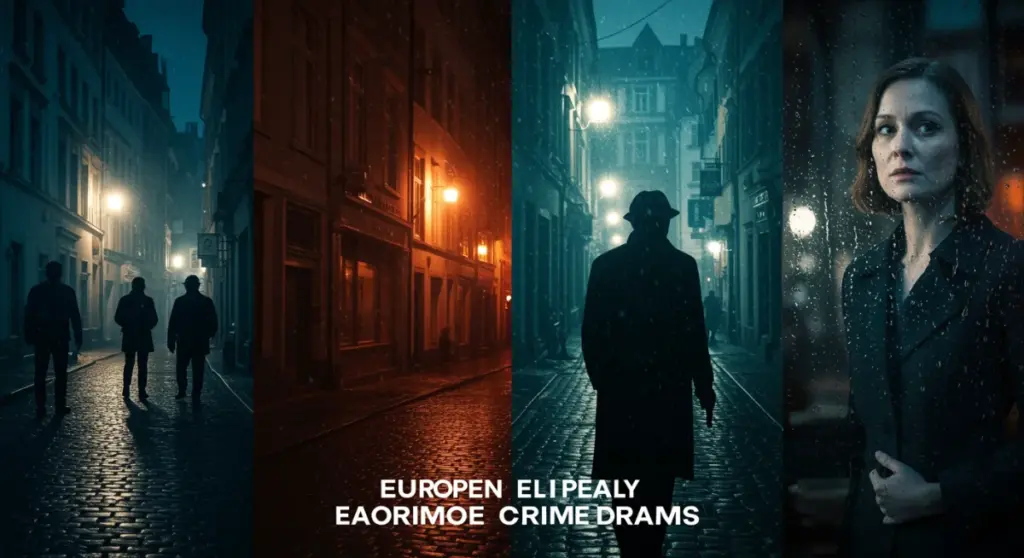
Initially, the surge in popularity of European crime dramas in the US was largely spearheaded by the distinct style known as Nordic noir. This subgenre, characterized by its bleak aesthetics, complex moral ambiguities, and unflinching exploration of societal issues, offered a refreshing contrast to the often more formulaic American procedural dramas. Its success paved the way for a broader appreciation of European storytelling.
Defining characteristics of European crime dramas
What sets these dramas apart? It’s often a combination of elements that create a richer, more immersive viewing experience. From the atmospheric cinematography to the intricate plots, the differences are palpable and appealing to an increasingly globalized audience.
Atmospheric settings: European dramas often use their unique geographical and architectural backdrops as integral parts of the story, creating a sense of place that is deeply embedded in the narrative.
Psychological depth: Characters are rarely black and white; their motivations are explored with a nuance that delves into the human condition, making them relatable despite their flaws.
Slower pacing: Unlike the rapid-fire editing of many US shows, European series often embrace a more deliberate pace, allowing tension to build organically and character arcs to unfold naturally.
Social commentary: Many European crime dramas subtly or overtly weave in critiques of contemporary society, addressing issues like immigration, political corruption, and economic disparity.
The allure of these elements has fostered a growing appetite among US viewers for content that challenges conventional narrative structures. This shift is not merely about preference but about a deeper engagement with storytelling that prioritizes depth over immediate gratification. The slow burn, a hallmark of many European series, has become a coveted attribute, allowing audiences to truly invest in the unfolding mystery and the lives of the characters involved.
Furthermore, the willingness of US audiences to embrace subtitles reflects a greater openness to cultural exchange and a recognition that compelling narratives are not confined to a single language. This growing acceptance is a testament to the quality and universal appeal of the themes explored in these dramas, proving that strong storytelling transcends linguistic barriers. The impact of these shows extends beyond mere entertainment, shaping a more globalized viewing palate for American audiences.
Narrative complexity and character realism: a deeper dive
One of the most significant ways European crime dramas are redefining US viewer expectations is through their commitment to narrative complexity and character realism. American audiences, accustomed to clear-cut heroes and villains, are increasingly drawn to the morally ambiguous worlds presented in European series, where protagonists are often deeply flawed and antagonists are not always purely evil.
Beyond the good vs. evil dichotomy
European writers excel at crafting multi-layered plots that reveal information gradually, often requiring viewers to pay close attention to subtle clues and character interactions. This approach encourages active viewing, turning the audience into participants in the investigation rather than passive observers.
The characters themselves are often products of their environments, shaped by their personal histories, societal pressures, and the unique cultural contexts of their countries. This leads to portrayals that feel authentic and lived-in, resonating with viewers on a deeper emotional level. Detectives are not always infallible, and their personal lives often intertwine with their professional cases, adding layers of vulnerability and humanity. This realism fosters a greater sense of connection and empathy.
For example, a detective struggling with alcoholism or a strained family life while simultaneously pursuing a serial killer presents a more complex and humanized figure than a one-dimensional, flawless hero. These imperfections make the characters more relatable and their struggles more compelling. The narrative often explores the psychological toll of police work, showing the impact of constant exposure to darkness on the individuals tasked with maintaining justice.
Moreover, the exploration of social issues within the narrative adds another layer of depth. European crime dramas frequently use their plots to comment on systemic problems, political corruption, or societal inequalities, making the stories not just about solving a crime but also about understanding the broader context in which it occurred. This intellectual engagement is a powerful draw for US viewers seeking more thought-provoking content.
This narrative style also often avoids convenient plot resolutions, reflecting the messy realities of justice. Endings can be ambiguous, leaving some questions unanswered or presenting difficult moral choices, which challenges the audience to grapple with complex themes long after the credits roll. This commitment to realism, even in fictional narratives, is a key factor in how European crime dramas are redefining US viewer expectations.
The impact of streaming services and accessibility
The proliferation of streaming services has been a catalyst in bringing European crime dramas to US audiences. Platforms like Netflix, Hulu, HBO Max, and others have invested heavily in acquiring and producing international content, making it easier than ever for viewers to discover these compelling series. This accessibility has democratized viewing habits, allowing niche genres to find mainstream success.
Breaking down geographical barriers
Before the streaming era, access to international television was limited, often relegated to specialized cable channels or DVD imports. Now, with a few clicks, US viewers can explore a vast library of content from Sweden, Denmark, France, Germany, and beyond. This ease of access has been instrumental in expanding the horizons of American audiences.
Global content curation: Streaming platforms actively curate international content, often highlighting critically acclaimed European crime dramas in their recommendations and featured sections.
Subtitle acceptance: The normalization of subtitles, once considered a barrier, has become a non-issue for many viewers, thanks to the quality of the content.
Original productions: Streaming giants are also investing in co-productions and original European series, further blurring the lines between domestic and international content.
This increased accessibility has created a feedback loop: as more European crime dramas become available, more US viewers discover and enjoy them, which in turn encourages streaming services to acquire even more. This virtuous cycle is accelerating the shift in viewer expectations, as audiences become accustomed to a wider range of narrative styles and cultural perspectives.
The ability to binge-watch entire seasons also contributes to the immersive experience. Viewers can delve deep into complex storylines and character arcs without long waits between episodes, fostering a more continuous and engaging viewing experience. This format particularly suits the intricate narratives often found in European crime dramas, allowing for full immersion in their detailed worlds.
Moreover, the competitive nature of the streaming market means platforms are constantly seeking unique and high-quality content to attract and retain subscribers. European crime dramas, with their proven track record of critical acclaim and audience engagement, represent a valuable asset in this landscape. This strategic acquisition and promotion by major streamers are crucial in how European crime dramas are redefining US viewer expectations.
Cultural exchange and new perspectives
Beyond entertainment, European crime dramas offer US audiences a unique window into different cultures, societal norms, and legal systems. This exposure fosters a subtle yet profound cultural exchange, broadening viewers’ understanding of the world and challenging their preconceived notions.
Understanding global complexities through crime
Each European country brings its own distinct flavor to the crime genre, reflecting its unique history, political climate, and social fabric. Watching these shows is not just about solving a mystery; it’s about experiencing life through a different lens.
For instance, a Danish crime drama might explore themes of social welfare and bureaucracy, while a French series might delve into post-colonial issues or political intrigue. These narratives provide insights into the complexities of other societies, often highlighting universal human experiences despite cultural differences. This comparative viewing experience enriches understanding and encourages critical thinking.
The portrayal of police procedures, legal frameworks, and criminal justice systems in European dramas often differs significantly from their American counterparts. This can be enlightening for US viewers, showcasing alternative approaches to law enforcement and societal problems. It prompts questions about what is effective, what is fair, and how different cultures prioritize justice and rehabilitation.
Furthermore, the shows often depict everyday life in European cities and towns, from architecture and public transport to food and social interactions. This visual immersion provides a rich cultural context that enhances the viewing experience, making the settings feel as much a character as the people within them. This authentic representation is a powerful draw.
The growing appreciation for these diverse perspectives means that US viewers are increasingly seeking out content that challenges their own cultural assumptions and offers new ways of looking at the world. This demand for diverse storytelling is a clear indicator of how European crime dramas are redefining US viewer expectations, moving beyond mere entertainment to a more profound cultural engagement.
This cultural exchange is a two-way street, as the success of these dramas in the US market can also influence European production companies to consider global audiences more explicitly in their creative processes, potentially leading to even more diverse and universally appealing content in the future. The dialogue between cultures fostered by these shows is invaluable.
Future outlook: 2026 and beyond
As we look towards 2026 and beyond, the influence of European crime dramas on US viewer expectations is only expected to deepen. The trends observed today suggest a continued shift towards more sophisticated, nuanced, and globally aware storytelling.
Evolving viewer preferences
American audiences have demonstrated a clear appetite for content that respects their intelligence, challenges their perceptions, and offers a break from the familiar. This preference is likely to become even more pronounced, pushing US domestic productions to innovate and incorporate elements that have made European dramas so successful.
Increased demand for authenticity: Viewers will continue to seek out shows that feel real, with complex characters and believable plots, rather than overly stylized or simplistic narratives.
Greater acceptance of subtitles: The language barrier will continue to diminish as more viewers become comfortable with subtitled content, opening up an even wider world of international programming.
Cross-cultural collaborations: We can expect to see more transatlantic co-productions, blending the strengths of European storytelling with American production values, creating truly global series.
Niche genre expansion: The success of crime dramas may pave the way for other European genres, such as historical dramas, thrillers, and even comedies, to gain traction in the US market.
The competitive landscape of streaming will ensure that platforms continue to seek out and invest in high-quality international content. This means a steady supply of new European crime dramas will be available to US audiences, further cementing their place in the viewing ecosystem. The continuous influx of fresh narratives will keep viewer expectations high and constantly evolving.
Moreover, the success of these dramas is likely to inspire a new generation of American writers and producers to experiment with different narrative structures, character development techniques, and thematic explorations. This cross-pollination of creative ideas will lead to a richer and more diverse television landscape overall, benefiting audiences on both sides of the Atlantic. The future of crime drama is undoubtedly global and interconnected.
The enduring appeal of these dark, intricate tales will continue to shape how US audiences perceive and engage with television, fostering a more discerning and globally minded viewership. This evolution is a testament to the power of storytelling to transcend borders and unite audiences through shared human experiences, even when those experiences are wrapped in a gripping mystery.
The challenge to traditional US crime formats
The rising popularity of European crime dramas presents a significant challenge to traditional US crime formats. For decades, American procedurals have dominated the genre, often relying on episodic structures, clear resolutions, and a focus on action over introspection. However, as viewer expectations evolve, these conventions are being scrutinized.
Adapting to a changing audience
US producers are increasingly aware that audiences are seeking more depth and complexity. This awareness is leading to experimentation in domestic productions, with some shows attempting to emulate the ‘slow burn’ style or psychological focus characteristic of European series. The pressure to innovate is palpable.
The shift is evident in the increasing number of limited series and anthology formats in the US, which allow for more intricate, serialized storytelling similar to many European dramas. This move away from purely episodic, case-of-the-week structures indicates a response to the audience’s growing preference for narratives that unfold over an entire season, rather than resolving neatly within an hour.
Furthermore, there’s a growing emphasis on character development and moral ambiguity in some newer American crime shows. Protagonists are less often depicted as flawless heroes and more frequently as individuals grappling with personal demons and ethical dilemmas, mirroring the nuanced portrayals found in European productions. This evolution reflects an understanding that audiences crave more realistic and relatable characters.
The willingness to explore darker, more uncomfortable themes is another area where European dramas have influenced US productions. Issues like systemic corruption, the failures of institutions, and the psychological scars of violence are being addressed with greater frequency and depth in American crime television, moving beyond simplistic narratives of good triumphing over evil.
Ultimately, the challenge posed by European crime dramas is a positive one. It pushes the entire genre to evolve, to experiment, and to meet the increasingly sophisticated demands of a globalized audience. This competitive innovation ensures that by 2026, the crime drama landscape, both in the US and internationally, will be richer and more diverse than ever before. The influence is undeniable and continues to shape the future.
Key Aspect
Impact on US Viewers
Narrative Complexity
Demand for deeper, multi-layered plots and less predictable outcomes.
Character Realism
Preference for flawed, psychologically rich characters over archetypes.
Cultural Exposure
Increased appreciation for diverse societal perspectives and legal systems.
Streaming Accessibility
Easier discovery and normalization of subtitled content, expanding viewing horizons.
Frequently asked questions about European crime dramas
Why are European crime dramas so appealing to US audiences?▼
They offer complex narratives, psychologically rich characters, and a slower, more atmospheric pace. Their focus on realism and social commentary, combined with diverse cultural settings, provides a refreshing alternative to traditional American crime formats, leading to deeper engagement and intellectual stimulation for viewers.
What is “Nordic noir” and how did it influence US viewers?▼
Nordic noir is a subgenre of crime fiction characterized by dark aesthetics, moral ambiguity, and bleak settings, often from Scandinavian countries. Its success introduced US audiences to a more sophisticated and gritty form of crime drama, paving the way for broader acceptance of European storytelling styles and challenging conventional expectations.
How have streaming services impacted the popularity of these dramas in the US?▼
Streaming services have made European crime dramas highly accessible, breaking down geographical and linguistic barriers. Platforms curate international content, normalize subtitles, and even produce original European series, allowing US viewers to easily discover and binge-watch these shows, thus accelerating their influence on viewing habits.
Are US crime dramas adapting to the trends set by European series?▼
Yes, there’s a noticeable shift in US productions towards more complex narratives, flawed characters, and serialized storytelling, moving away from purely episodic formats. This adaptation reflects the evolving expectations of American audiences, driving innovation and a richer, more diverse crime drama landscape in the US.
What does the future hold for European crime dramas in the US by 2026?▼
By 2026, their influence is expected to deepen, leading to increased demand for authentic, nuanced storytelling and greater acceptance of subtitled content. More cross-cultural collaborations and the expansion of other European genres are also anticipated, further solidifying their role in shaping global television trends.
Conclusion
The journey of European crime dramas from niche imports to mainstream favorites in the US is a compelling narrative in itself. By 2026, their profound impact on American viewer expectations is undeniable, reshaping what audiences seek in storytelling, character depth, and cultural insight. This evolution underscores a broader shift towards a more globalized and discerning viewership, eager to embrace narratives that transcend linguistic and cultural boundaries. As streaming platforms continue to bridge international divides, the influence of these sophisticated series will only grow, inspiring new forms of creative expression and fostering a richer, more diverse television landscape for years to come.